

.png)
.png)
.png)
.png)
.png)
.png)
I design, build, and maintain high-performance Webflow websites for growing businesses.
Not just something that looks good. Something that converts, scales, and can be handed over cleanly.
Not just the champion.
But finance, leadership, IT, procurement, and anyone else involved in the decision.
For many of them, your website is the sales experience.
Stakeholders who never join a call use your site to understand what you do and why it matters
Buyers self-educate before, between, and after sales conversations
People look for answers, reassurance, and proof
Confusing structure or vague messaging creates doubt, not confidence
Gaps in content force buyers to guess, assume, or stall
The website fails to reinforce the story your sales team is telling
You want a website that supports buyers who like to self-educate before making a purchasing decision.
I help founders and small marketing teams, by designing and developing a Webflow website following a structured, approval-led process so nothing is rushed, duplicated, or reworked later. The end result is a modern website, with scalable architecture, that impresses and converts.

We start by defining exactly what the website needs to do.
I can:
Focus is always on:
Nothing gets designed until the structure and messaging are agreed.
Before design, we lock the layout and structure.
This keeps feedback practical and avoids subjective design debates too early.
Once the structure is signed off:
No surprises. No building from half-approved designs.
I build the site in Webflow using a structured framework so it’s easy for others to work on later.
Everything is documented so another developer can take over without reverse-engineering the site.
After launch, you can:
You’re never locked in.
This works best if you:
I can also do simpler builds, but the real value shows as complexity increases.
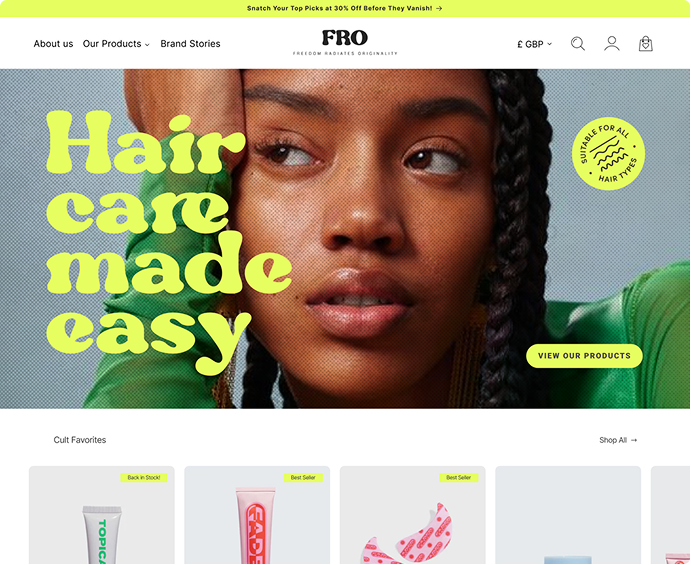
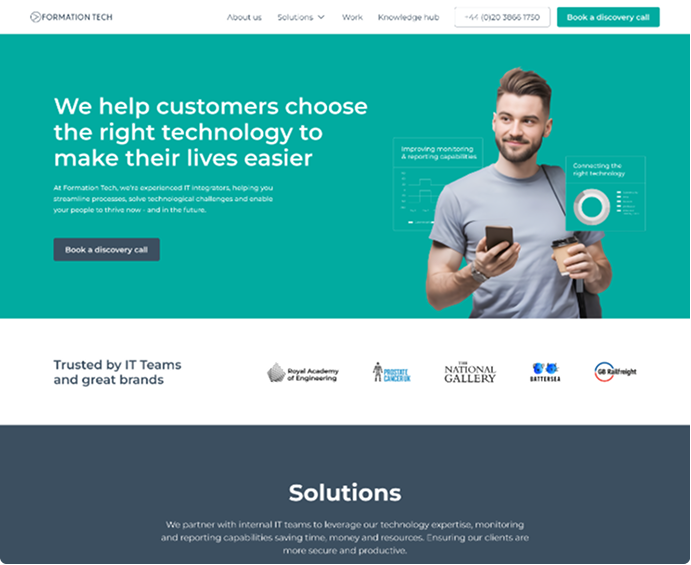
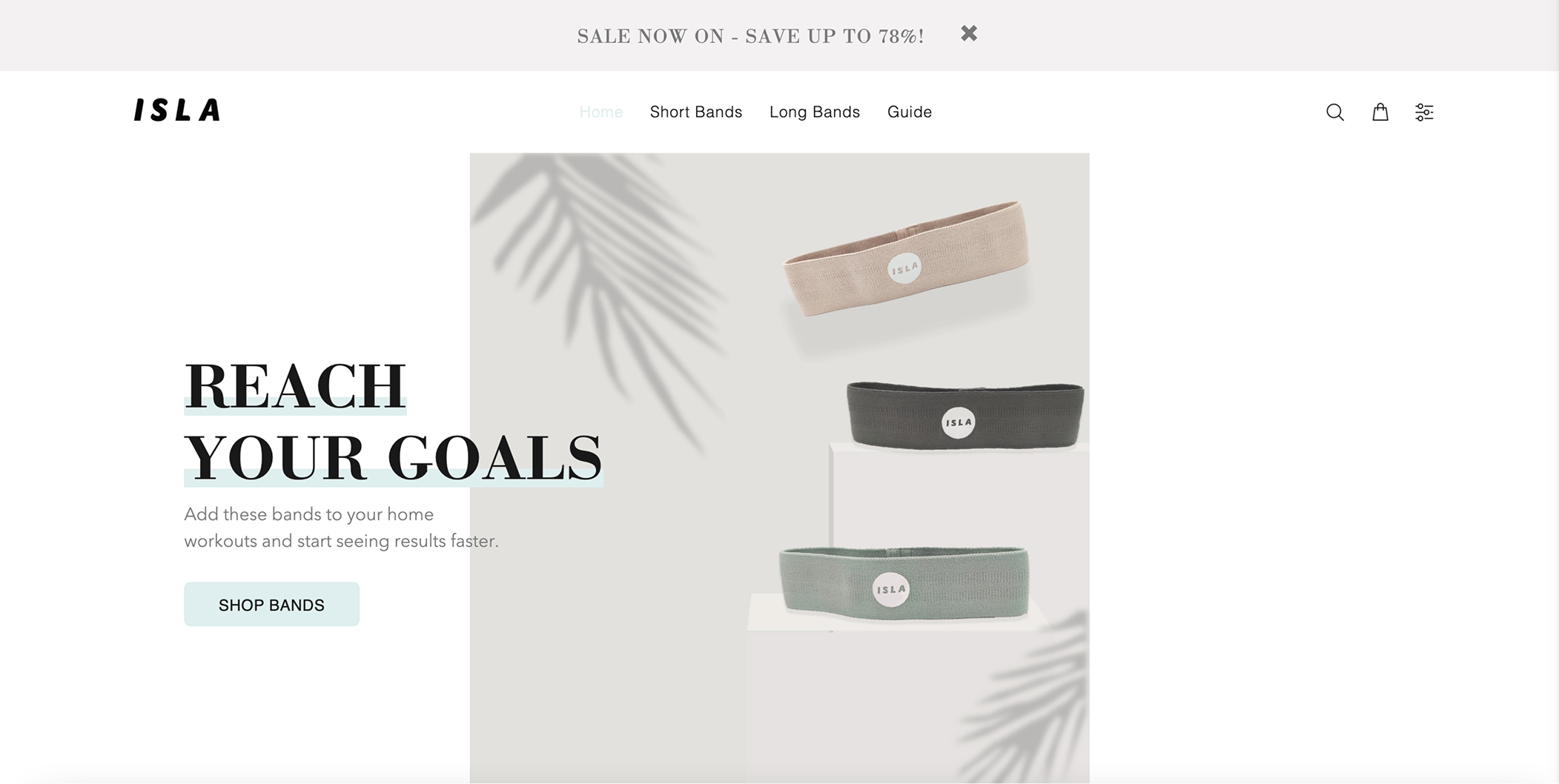
Here’s a small selection of websites I’ve designed and built across different platforms and stages. Always flexible to a clients requirements.
B2B buying has shifted heavily toward self-education before sales contact. For many SaaS companies, the website now does most of the persuading before a demo is booked..
Webflow is a modern website platform that lets B2B companies build exactly what they design, without being constrained by rigid templates or fragile plugin ecosystems.
Unlike traditional CMSs such as WordPress, Webflow gives you full design freedom. If you can design it, you can build it — without forcing layouts into pre-defined themes or workarounds that break over time.
B2B companies choose Webflow because it:
For marketing teams, this means faster iteration. You can launch new pages, update messaging, test layouts, and support campaigns without waiting on developers or worrying about plugin conflicts.
As B2B products, positioning, and ICPs evolve, Webflow scales with you — rather than becoming technical debt.
In short, B2B companies use Webflow because it offers design freedom, reliability, and long-term flexibility, while giving marketing teams more control over a site that’s critical to growth.
For many B2B companies, yes — Webflow is often a better choice than WordPress, especially when the website is a core growth channel.
The main differences come down to control, reliability, and speed.
Design freedom vs templates
Webflow lets you build exactly what you design, without forcing layouts into pre-built themes. WordPress sites often start from templates that require workarounds as soon as requirements get more complex.
Fewer plugins, fewer failures
WordPress typically relies on multiple third-party plugins for performance, security, SEO, and forms. These can conflict, break after updates, or introduce risk over time. Webflow handles these natively, reducing maintenance and fragility.
More control for marketing teams
Webflow allows non-technical teams to update pages, launch campaigns, and iterate on messaging without developer support. WordPress changes often require ongoing dev involvement once the site moves beyond basic content updates.
Scalable CMS without technical debt
Webflow’s CMS scales cleanly as you add new pages, products, or use cases. WordPress sites often accumulate technical debt as plugins and custom code pile up.
Actively improving platform
Webflow is continuously evolving with new features, performance improvements, and tooling. Many WordPress setups remain static once launched, relying on plugins to fill gaps.
WordPress can still make sense for:
But for most B2B companies focused on conversion, experimentation, and speed, Webflow provides a more flexible and reliable foundation.
My Webflow website build service covers the full journey from messaging and design through to build, tracking, launch, and ongoing maintenance.
What’s typically included:
Discovery and planning
Clarifying goals, ICP, key pages, site structure, and what the website needs to achieve commercially.
Copywriting and messaging support
Writing or refining homepage and key page copy so the site clearly communicates what you do, who it’s for, and why it matters.
Design process (low-fidelity to high-fidelity)
A structured design workflow, including:
Webflow build (custom, not template-led)
Building the approved designs in Webflow with scalable components and clean implementation.
CMS setup and scalability
Setting up CMS collections so your team can easily manage content, landing pages, and future site growth without developer dependency.
Migration (if needed)
Rebuilding or migrating your existing site into Webflow, including page mapping and redirects where appropriate.
Cookie consent, tracking, and analytics setup
Implementing cookie consent and ensuring tracking works properly, including analytics and conversion events, so performance can be measured reliably.
SEO and technical foundations
Clean structure, fast performance, and best-practice setup to support search visibility and AI discovery.
Launch support and handover
QA, launch coordination, and a handover so you know how to update the site confidently.
Ongoing maintenance retainer (optional)
If you want ongoing support, I offer a maintenance retainer to keep the site updated, stable, and evolving as your marketing needs change.
The outcome is a Webflow website that looks great, communicates clearly, converts effectively, and is built to scale — with marketing owning the site, not being blocked by developers.
Both.
I handle the design and the Webflow build, so there’s no disconnect between what’s designed and what’s delivered.
The process starts with:
Once designs are approved, I build them directly in Webflow — ensuring what you sign off is exactly what goes live.
This approach avoids common problems like:
If you already have designs or a brand system, I’m happy to work from those. But if you need someone to own the full process end-to-end, that’s exactly how this service is structured.
Yes. I regularly rebuild existing websites in Webflow, including full migrations from platforms like WordPress or custom CMSs.
Rebuilding in Webflow typically involves:
This isn’t a “copy and paste” exercise. Rebuilding gives you the opportunity to:
The goal is a cleaner, faster, more flexible website — without disrupting existing traffic or ongoing marketing activity.
No — when done properly, rebuilding your website should not hurt SEO, and it often improves it.
SEO issues usually happen during rebuilds because of poor planning, not because of the platform change itself. A Webflow rebuild is handled in a way that protects — and often strengthens — search performance.
That includes:
Rebuilding in Webflow often removes SEO risk rather than adding it, especially if your current site relies heavily on plugins, bloated themes, or inconsistent page structures.
In many cases, companies see:
The goal isn’t just to “keep SEO the same” — it’s to come out with a healthier, more resilient site that performs better over time.
If SEO risk is a concern, it’s accounted for from the start, not treated as an afterthought.
Yes. I’m happy to work within your existing brand and design system, whether that’s detailed or fairly lightweight.
That includes:
If your brand or design system needs light refinement to work better on the web, I’ll flag that and suggest improvements — but nothing changes without alignment.
If you don’t yet have a formal design system, I can also help create a simple, scalable foundation as part of the build.
The aim is to respect what already works, reduce friction, and make sure your website is easy to maintain and evolve — not to reinvent your brand unnecessarily.
Most Webflow website builds take between four and eight weeks, depending on scope, content readiness, and feedback speed.
A typical timeline looks like:
Smaller or simpler sites can be delivered faster. Larger sites, migrations, or projects with more stakeholders may take longer.
Timelines are agreed upfront and designed to keep momentum while still allowing time for feedback and iteration. The goal is a site that’s done properly once, not rushed and revisited immediately after launch.
If timing is critical, projects can be prioritised and compressed — as long as the right inputs are available when needed.
Revisions are agreed upfront as part of the project scope. In most cases, this includes two to three structured revision rounds.
Revisions typically apply to:
This approach keeps feedback focused and prevents endless iteration, while still allowing enough space to get the site right.
If additional revisions are needed beyond what’s agreed, they can be scoped and added separately. The aim is clarity, momentum, and a smooth path to launch — not rigid limits or open-ended loops.
The cost of a Webflow website depends on scope, complexity, and what the site needs to achieve, but most projects fall into a clear range.
As a guide:
Final pricing is influenced by:
All pricing is scoped and agreed upfront, so there are no surprises.
For many B2B companies, a Webflow build is an investment in:
If a full rebuild isn’t the right move yet, I’ll be honest and suggest a simpler option — including a one-page site where that makes sense.
Yes. I can provide ad-hoc support and maintenance for existing Webflow websites.
This is useful if you need help with:
You don’t need to commit to a full rebuild or long-term retainer. Support can be provided as and when needed, with scope and cost agreed upfront.
If ongoing support becomes useful, this can also move into a light maintenance retainer — but ad-hoc work is always an option.
The aim is to keep your Webflow site working smoothly and evolving, without unnecessary overhead.