
Think LinkedIn ads can’t work for your business? Think again.
I help teams finally get LinkedIn ads working by fine-tuning your audience to reduce CPM wastage, creating ads your buyers actually notice, and by setting up a full-funnel system that drives and influences real pipeline.
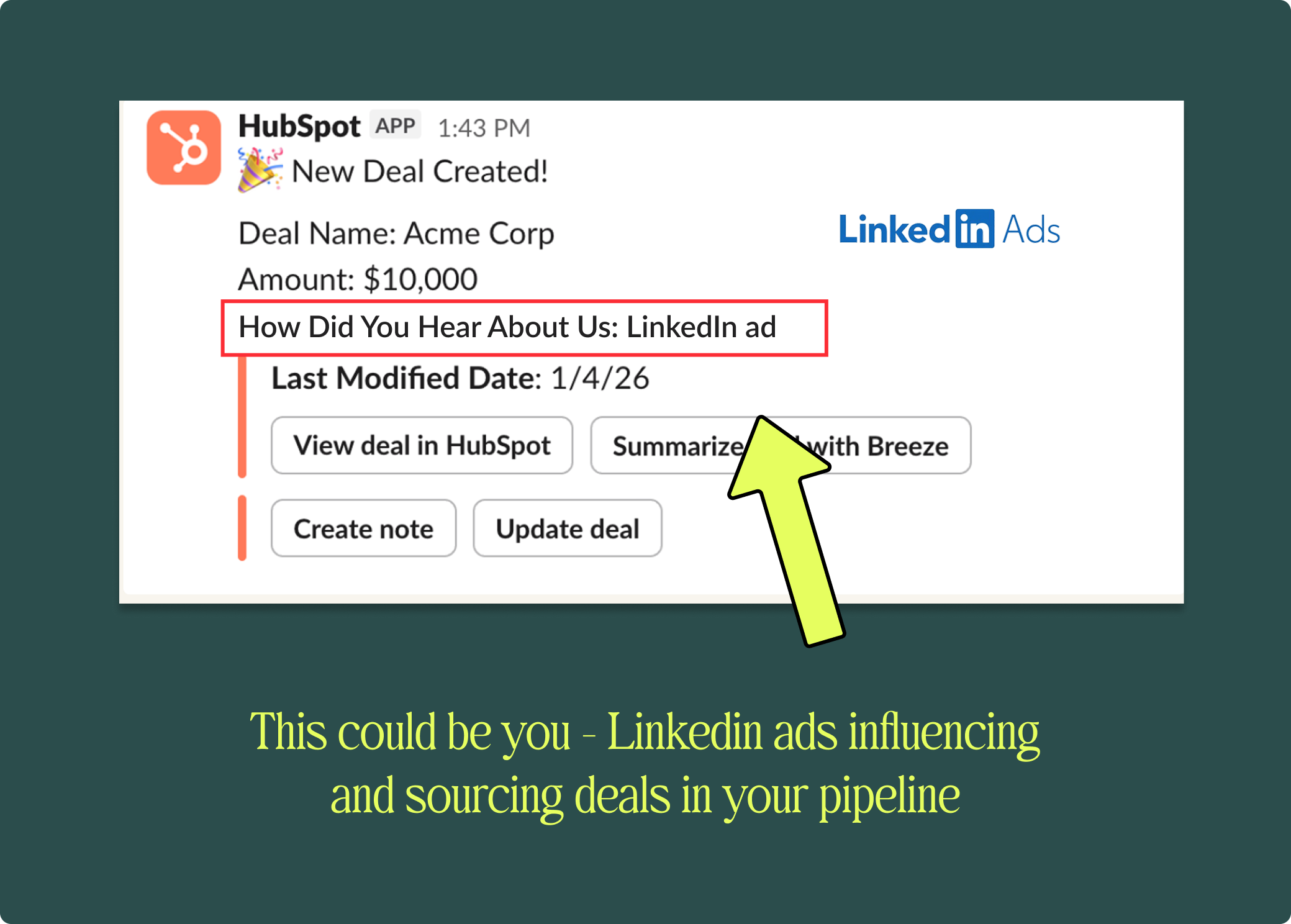
Common issues I see:
Broad audiences that aren’t laser-focused on your ICP
Obsessing over last-click attribution that hides what’s actually working
Stakeholders expecting lots of new sourced deals, rather than focusing on pipeline influence
Ads that look like everyone else in the feed
No learning loop — money spent, but nothing truly learned
LinkedIn ads are expensive.
If you don’t approach it deliberately, it quickly becomes a cost centre rather than a growth lever.
I’ve been running LinkedIn ads for B2B companies for over 7 years and spent over £2m of budget. I’ll create, setup and run LinkedIn ads that drive real pipeline, and influence deals for your business.

Before any ads go live, I make sure the foundations are solid. This includes:
The goal is to avoid wasting budget relearning old lessons.
I design and write ads based on how LinkedIn really works in the feed.I’ve run and tested:
The focus is on ads that stop your buyers scrolling past them, that they notice, they remember and pushes them to action.
I build LinkedIn campaigns as a system, benefitting your other ad channels. That usually means:
This is to make your LinkedIn accounts align with your wider GTM strategy.
LinkedIn reporting is limited. You need to take all attribution with a pinch of salt. . I’ll help you:
This works best if you:
A selection of real LinkedIn ads I created and tested at Series A backed startup MYNDUP.

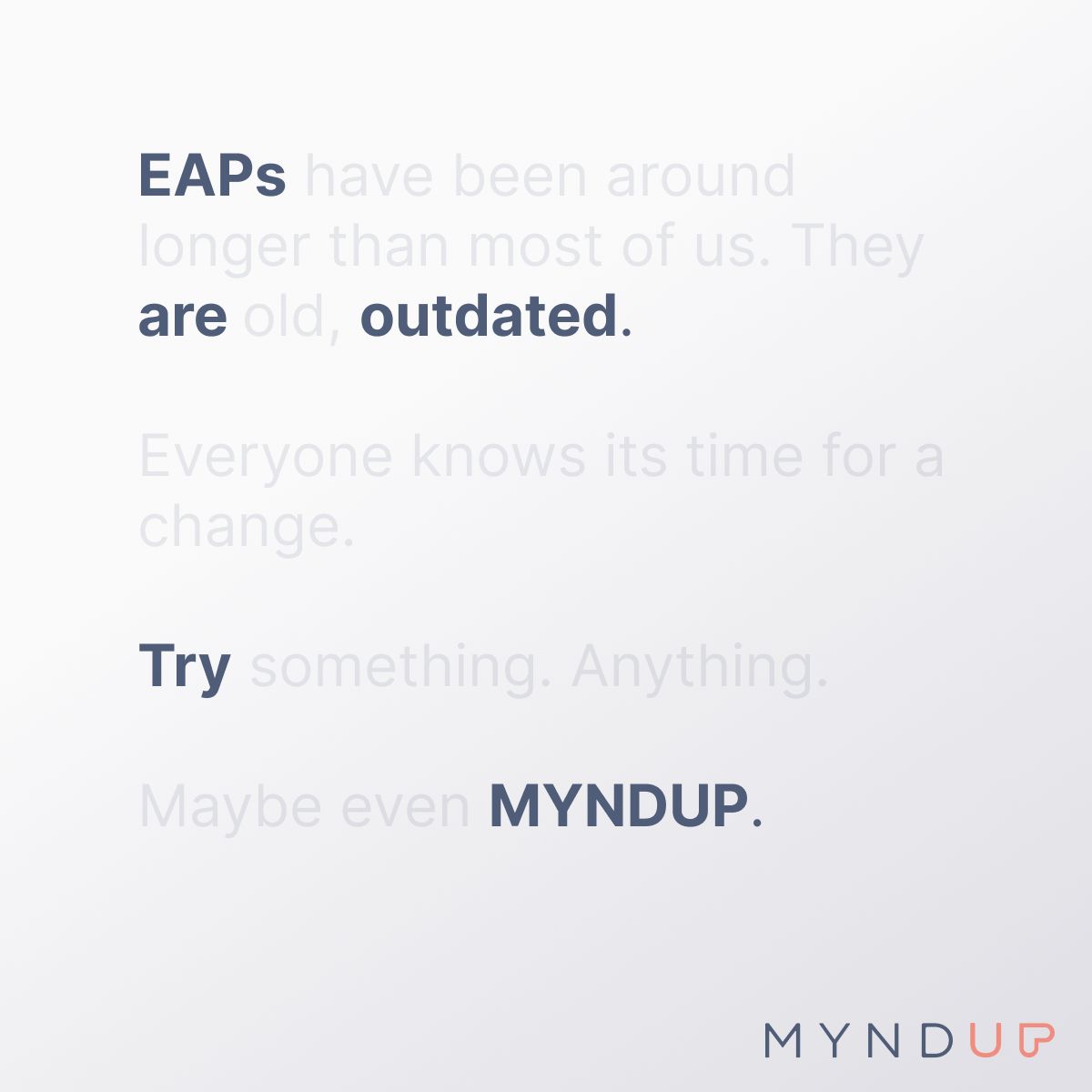
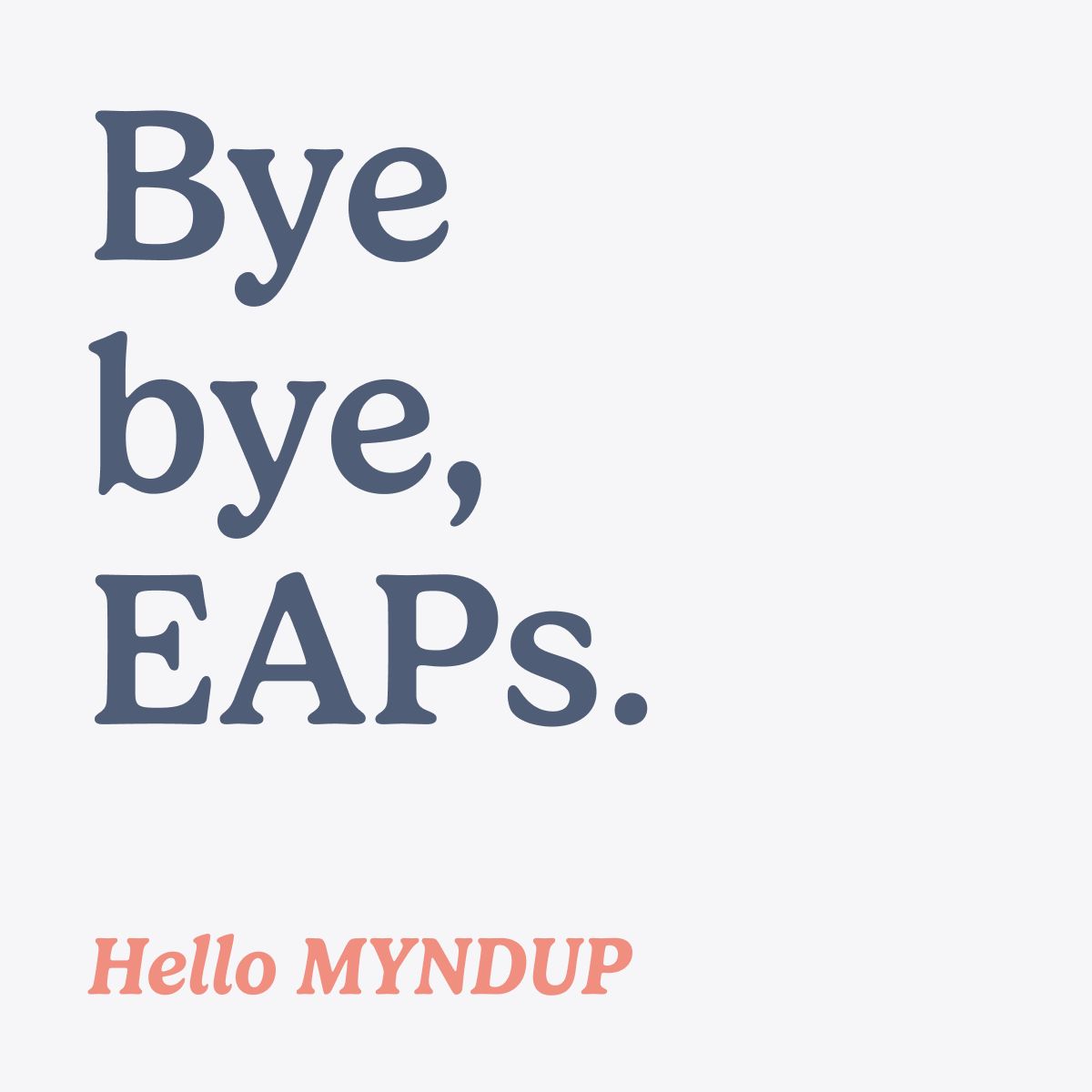
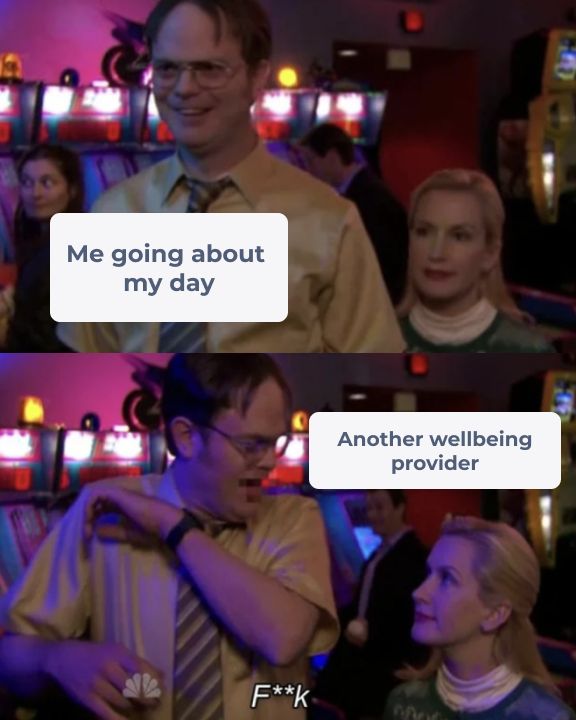

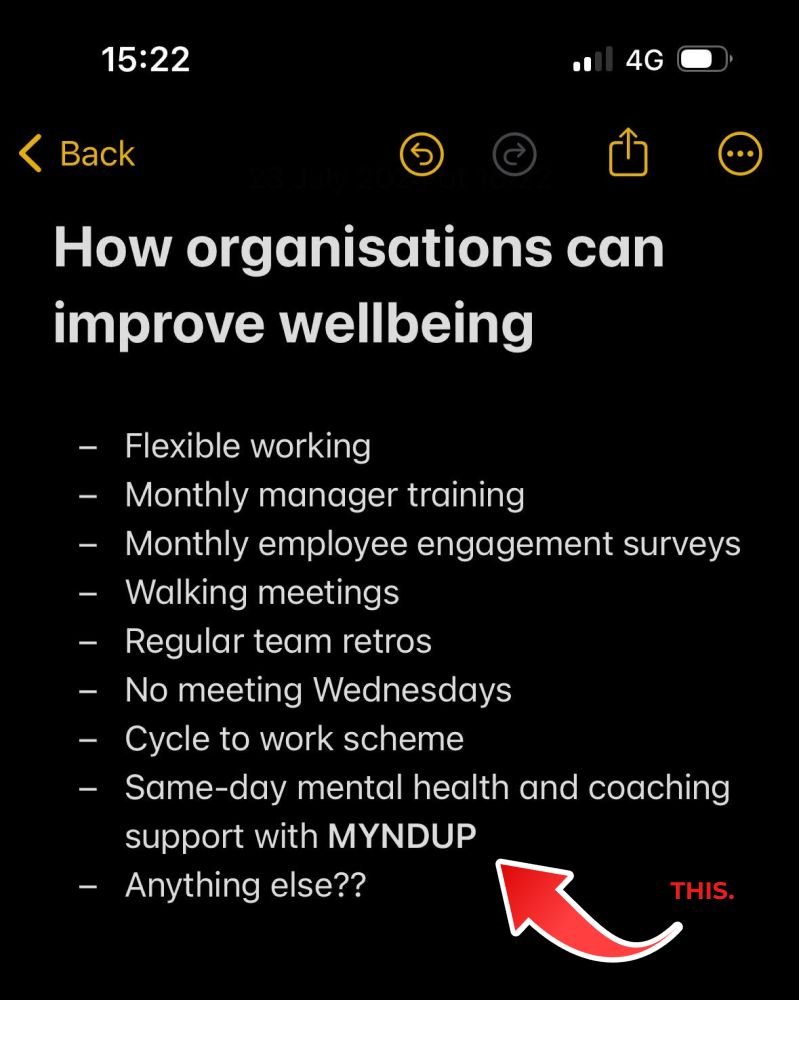

The fastest way to fail on LinkedIn is to look like a LinkedIn ad. Polished brand creative, stock imagery, and corporate headlines are easy to ignore in-feed. The best-performing ads tend to look native, human, and opinionated — closer to a strong organic post than a traditional advert.
Being “average” on LinkedIn is expensive. The median ROI on LinkedIn ads is negative, which means most advertisers lose money by blending in. The upside comes from doing things differently — distinctive creative, clear points of view, and messaging that actually sticks — where a small number of campaigns drive outsized returns.
LinkedIn is rarely a clean last-click channel. It influences deals long before someone fills out a form or books a demo. Accounts that chase perfect attribution often undervalue LinkedIn, pause too early, or optimise toward the wrong signals instead of measuring real pipeline influence.
LinkedIn’s strength is in it’s ability to reach your ICP like no other channel. Not only can you create a cold audience with Job titles, seniority, company size, and a whole lot more, but you can match contacts and companies in your CRM into LinkedIn ad audiences. Meaning, you can influence deals across the full-funnel. When setup correctly, LinkedIn ads are an incredible distribution tool to get your message straight to your ICP.
Sure, the CPMs are high - but no other channel can put ads right in front of your ICP in an hour. LinkedIn ads can work for many businesses, it’s about how you show up - who you’re reaching, what your message is, and how that ad gets noticed.
Yes. I both create the LinkedIn ads and manage the ad account end-to-end.
That includes:
I don’t separate “strategy” from execution. Creating the ads and managing the account together ensures:
If you already have internal designers or marketers, I can collaborate closely with them. But if you need someone to own LinkedIn Ads completely, that’s exactly what this service is built for.
LinkedIn Ads make sense for a B2B company when the conditions are right, not just because the channel exists.
They tend to work best when:
Your buyers actively spend time on LinkedIn
If your target audience uses LinkedIn to learn, network, or keep up with their industry, the platform can influence them long before they start searching.
You can clearly target the right people
LinkedIn Ads are effective when your ICP can be reached through job titles, seniority, company size, industry, or account lists. If targeting is vague, performance usually suffers.
You have early signs of product–market fit
LinkedIn Ads amplify what’s already working. They perform best once you’ve validated your product, use cases, and value proposition with real customers.
Your positioning is clear and differentiated
Because LinkedIn is a feed-based environment, ads need a strong point of view. If your messaging sounds like everyone else in the category, it’s easy to ignore — and expensive.
You’re willing to stand out creatively
LinkedIn Ads reward companies that are prepared to look and sound different. Distinctive creative and honest messaging consistently outperform safe, generic ads.
When these conditions are met, LinkedIn Ads can influence demand, shape buyer perception, and support pipeline growth — even if they don’t generate large volumes of direct leads.
LinkedIn Ads and Google Ads serve different purposes in B2B, so the question isn’t which is better — it’s what you’re trying to achieve.
Google Ads are strongest at capturing existing demand. They work well when buyers already know what they’re looking for and are actively searching for solutions.
LinkedIn Ads are better suited to creating and shaping demand. They allow you to reach specific buyers based on role, company, and seniority before they ever search — and to influence how they think about the problem.
In practice:
For many B2B companies, LinkedIn Ads are worth it when:
The strongest B2B strategies use both — with Google Ads capturing demand and LinkedIn Ads shaping it.
The biggest difference is how close the work is to your business and outcomes.
With this service, you work directly with an experienced growth marketer who both thinks and executes — not through layers of account managers and handoffs.
Key differences include:
Direct senior ownership
There’s no junior team learning on your budget. The person setting strategy is the same person building ads, managing campaigns, and reviewing performance.
Outcome-led, not activity-led
Agencies are often measured on outputs and spend. This work is measured on pipeline impact, learning, and what actually moves the business forward.
Deep alignment with positioning and ICP
LinkedIn Ads don’t work in isolation. Ads, targeting, and creative are built around your positioning, category context, and buyer reality — not a generic playbook.
Faster iteration and honest feedback
Fewer handoffs mean faster testing, clearer insights, and more direct recommendations — including when something isn’t working.
Flexible engagement
No long-term lock-ins, no pressure to spend more to justify fees, and no incentives misaligned with your goals.
For many B2B teams, this results in less wasted spend, clearer learning, and better long-term performance than a traditional agency model.
Very hands-on.
I’m directly involved in every part of the LinkedIn Ads process, from strategy through to day-to-day optimisation.
That includes:
There’s no handoff to a junior team and no separation between planning and execution. Decisions are made quickly, tests run fast, and learnings are applied immediately.
If you have an internal team, I work alongside them. If you don’t, I can own LinkedIn Ads end-to-end.
The aim is to make LinkedIn Ads work for your business, not just keep them running.
The right way to think about LinkedIn Ads is influence first, pipeline second, leads last.
Results vary based on your category, positioning, budget, and stage, but in most B2B cases you should expect:
Clearer signal on what messaging and positioning resonates
Early on, the biggest win is learning. You’ll quickly see which messages attract the right buyers and which fall flat, giving you insight you can reuse across marketing and sales.
Influence on pipeline, not just form fills
LinkedIn Ads often influence deals rather than directly sourcing them. This shows up as:
This is why success is measured beyond just cost per lead.
Lower volume, higher quality leads (when lead gen is used)
Compared to Google Ads, LinkedIn typically generates fewer leads — but they’re often better aligned to your ICP when targeting and messaging are right.
Gradual performance improvement, not instant scale
LinkedIn Ads usually take time to dial in. Expect:
What you shouldn’t expect:
When set up and managed correctly, LinkedIn Ads become a reliable influence channel that supports demand generation, shortens sales cycles, and improves overall growth efficiency — rather than a standalone lead machine.
Influenced and sourced deals are tracked by combining CRM data, attribution logic, and realistic expectations about B2B buying behaviour.
Sourced deals
A deal is considered sourced by LinkedIn Ads when:
These are easier to measure, but usually represent only part of LinkedIn Ads’ value.
Influenced deals
Influenced deals are identified when LinkedIn Ads:
Influence is tracked by:
Rather than pretending LinkedIn Ads are a last-click channel, the focus is on how they contribute to deal progression and quality.
The goal isn’t perfect attribution — it’s understanding whether LinkedIn Ads are:
That’s what makes the channel commercially useful.
LinkedIn Ads attribution is handled at the account level, not just through clicks or last-touch tracking.
In B2B, most people see LinkedIn Ads but don’t click them. Instead, ads influence buyers over time before they:
Because of that, relying only on UTMs and click IDs significantly undervalues LinkedIn Ads.
A realistic attribution approach uses three layers:
1. Direct response attribution (limited but useful)
UTMs, click IDs, and LinkedIn lead forms are used to track:
This captures some value, but not most of it.
2. CRM-based influence tracking
LinkedIn Ads data is connected to the CRM to review:
This reflects how B2B buying journeys actually work.
3. Account-level exposure analysis
Where possible, tools that track ad exposure by account (such as view-through and frequency data) are used to compare:
This answers the most important question:
Do accounts exposed to LinkedIn Ads behave differently from those that aren’t?
Rather than chasing perfect attribution, the goal is commercial truth:
That’s how LinkedIn Ads should be evaluated in B2B — as an influence channel, not a last-click lead source.
There’s no fixed minimum budget to work together — I can adapt the approach to whatever budget you have.
That said, for LinkedIn Ads specifically, results tend to be more meaningful once you’re spending around £5,000 per month or more on media.
At lower budgets, LinkedIn Ads can still be useful for:
At £5k and over per month, you’re typically able to:
The budget conversation is always tied to your goals, category, and expectations. If LinkedIn Ads aren’t the right use of spend at your current level, I’ll be upfront about that and suggest alternatives.
The aim isn’t to force a channel — it’s to make sure your budget is working as hard as possible.
LinkedIn Ads work is typically priced as a monthly retainer, not a one-off project, because performance depends on ongoing testing, optimisation, and iteration.
To work with me, retainers usually start from £2,400 per month, with final pricing depending on factors such as:
For most B2B companies, a freelance retainer provides senior-level ownership at a lower cost than hiring in-house or retaining an agency, without long-term lock-ins.
Before starting, I’m always clear on:
If they’re not, I’ll say that upfront.
Yes — LinkedIn Ads projects typically have a three-month minimum commitment.
That’s because LinkedIn Ads need time to:
Shorter engagements rarely provide enough signal to judge performance fairly.
The exception is short-term cover.
If you need someone to plug a gap between in-house hires — for example, if a LinkedIn Ads manager leaves suddenly — I can step in to manage the account on a short-term basis until you rehire.
After the initial three months (where applicable), engagements continue on a flexible, month-to-month basis.
The aim isn’t to lock you in, but to make sure LinkedIn Ads are given a fair chance to perform — or to provide reliable cover when continuity matters.
I have over seven years of hands-on experience running LinkedIn Ads for B2B companies, with £5m+ in managed ad spend across a wide range of industries.
That experience includes:
I’ve seen what works, what doesn’t, and where LinkedIn Ads typically break down. That experience means fewer wasted tests, faster learning, and decisions grounded in real-world performance — not theory or platform best practice alone.
Lorem ipsum dolor sit amet, consectetur adipiscing elit.